
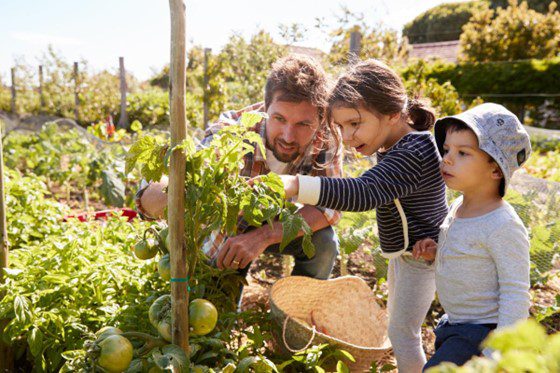
Home gardening is more than a hobby—it’s a powerful way to support your family’s physical, mental, and emotional well-being. Whether you grow tomatoes in raised beds, herbs on a windowsill, or lettuce in containers, cultivating your own food can have lasting health benefits for every member of your household.
Here’s how.
1. More Nutritious Food
When you harvest fruits and vegetables from your own garden, they go straight from soil to table. Unlike store-bought produce that may travel long distances, sit in warehouses, or spend days on display shelves, homegrown food is typically:
- Picked at peak ripeness
- Consumed shortly after harvest
- Less likely to lose nutrients during transport and storage
Many vitamins—especially vitamin C and certain B vitamins—begin to degrade soon after produce is harvested. The shorter the time between picking and eating, the more nutrients your family receives.
Home gardening also allows you to control how your food is grown. Families who choose natural or organic growing methods can avoid synthetic pesticides, herbicides, and chemical fertilizers. Additionally, homegrown produce does not require chemical preservatives or wax coatings that are sometimes used to extend shelf life in commercial distribution.
Fresh vegetables such as leafy greens, tomatoes, peppers, carrots, and beans provide essential vitamins, minerals, fiber, and antioxidants that support immunity, heart health, digestion, and overall vitality. Growing your own food makes it easier to provide these nutrients regularly and confidently.
2. Better Tasting and More Nutrient-Rich Varieties of Fruits and Vegetables
Another major advantage of home gardening is access to superior varieties that rarely appear in grocery stores.
Commercial produce is often selected for:
- Long shelf life
- Uniform appearance
- Resistance to bruising during shipping
- Ability to withstand long-distance transport
Unfortunately, these traits do not always prioritize flavor or nutritional density. Many highly flavorful, heirloom, or specialty varieties are more delicate and spoil faster, making them impractical for large-scale retail distribution.
When you garden at home, you can grow varieties chosen specifically for:
- Exceptional taste
- Higher nutrient content
- Unique colors and textures
- Regional adaptability
For example, heirloom tomatoes, specialty peppers, purple carrots, or nutrient-dense leafy greens may offer richer flavors and diverse phytonutrients not commonly found in standard supermarket selections.
By growing these varieties yourself, your family benefits from produce that is not only fresher, but often more flavorful and potentially richer in beneficial plant compounds. The result is meals that taste better, encourage healthier eating habits, and provide broader nutritional variety.
3. Encourages Healthier Eating Habits
Children and adults alike are more likely to eat vegetables they helped grow. Gardening increases curiosity about food and makes nutritious options more appealing.
Families who garden often:
- Eat more fruits and vegetables
- Try a wider variety of foods
- Reduce reliance on processed meals
Over time, this can contribute to healthier weight management and better long-term eating patterns.
4. Physical Activity for All Ages
Gardening is a natural form of exercise. Digging, planting, watering, weeding, and harvesting all involve movement that improves:
- Strength
- Flexibility
- Balance
- Endurance
For children, it encourages outdoor play instead of screen time. For adults and older family members, it provides moderate physical activity that supports heart health and mobility.
5. Mental Health and Stress Relief
Spending time in nature has been shown to reduce stress and improve mood. Gardening can:
- Lower anxiety
- Improve focus
- Reduce symptoms of depression
- Promote relaxation
The act of nurturing plants and watching them grow gives a sense of accomplishment and purpose. Many families find gardening to be a calming, grounding activity they can enjoy together.
6. Stronger Family Bonds
Home gardening creates opportunities for teamwork and shared responsibility. Planning what to plant, tending the garden, and cooking meals together fosters:
- Communication
- Cooperation
- Shared goals
- Quality time outdoors
These shared experiences can strengthen family relationships and create lasting memories.
7. Greater Control Over What You Eat
When you grow your own food, you decide:
- What seeds to plant
- How to fertilize
- Whether to use organic methods
- How pests are managed
This can reduce exposure to certain chemicals and gives families greater confidence in the quality of the food they consume.
8. Builds Lifelong Healthy Habits
Gardening teaches valuable life skills such as patience, responsibility, planning, and environmental awareness. Children who learn where food comes from are more likely to develop a lifelong appreciation for healthy eating and sustainability.
9. Supports Immune Health
Moderate exposure to soil microbes and outdoor environments may help strengthen immune systems, particularly in children. Combined with improved nutrition and physical activity, gardening supports overall resilience and well-being.
Getting Started Is Easier Than You Think
You don’t need a large backyard to begin. Consider:
- Container gardens on patios or balconies
- Raised beds in small yards
- Indoor herb gardens near sunny windows
- Community garden plots
Start with easy crops like lettuce, tomatoes, green beans, basil, or zucchini.
The Bottom Line
Home gardening offers far more than fresh produce—it promotes healthier eating, physical activity, stress relief, and stronger family connections. By growing even a small portion of your food at home, you invest directly in your family’s health and happiness.
Sometimes, the path to better health really does begin in your own backyard. 🌱